Ottawa residents weighing cosmetic procedures are running into a new problem: the face they bring in as inspiration was never a real person's face to begin with.
The AI face has a pattern
According to plastic surgeon Dr. Brian Pinsky, AI-generated faces tend to follow a recognizable formula: extremely symmetrical features, very large eyes, high cheekbones, sharply defined jawlines and very small, refined noses. That combination doesn't occur naturally and can't simply be recreated on someone else's bone structure. Rather than turning a patient away outright, Pinsky says he explains why the result isn't achievable instead of just saying no. His comments appear in an American Society of Plastic Surgery article on AI-generated inspiration photos, published September 18, 2026.
Why a generic nose doesn't work
The problem shows up clearly in rhinoplasty consultations, where patients arrive with an AI-smoothed image of what they want their nose to look like.
Selfies already raised the bar, AI is raising it further
This isn't an entirely new phenomenon. A 2019 study by the American Academy of Facial Plastic and Reconstructive Surgery found that 72% of facial plastic surgeons had patients who underwent procedures specifically to look better in selfies. What's changed is the intensity of the comparison. A survey published by Beth Israel Deaconess Medical Center found that people who had used AI photo enhancers had significantly higher expectations for plastic surgery outcomes than those who hadn't, meaning patients are walking into consultations expecting a result that was generated by software, not surgery.
Cosmetic dermatologist Dr. Rachel Westbay compares some of these requests to aiming for a fictional character rather than a realistic outcome, likening it to a patient saying they want to look like Ariel from The Little Mermaid.
Pixels aren't the same as a body
Dr. Steven Williams, president of the American Society of Plastic Surgeons, put the gap between digital editing and surgery bluntly: pixels are easier than surgery.
What it means for Ottawa
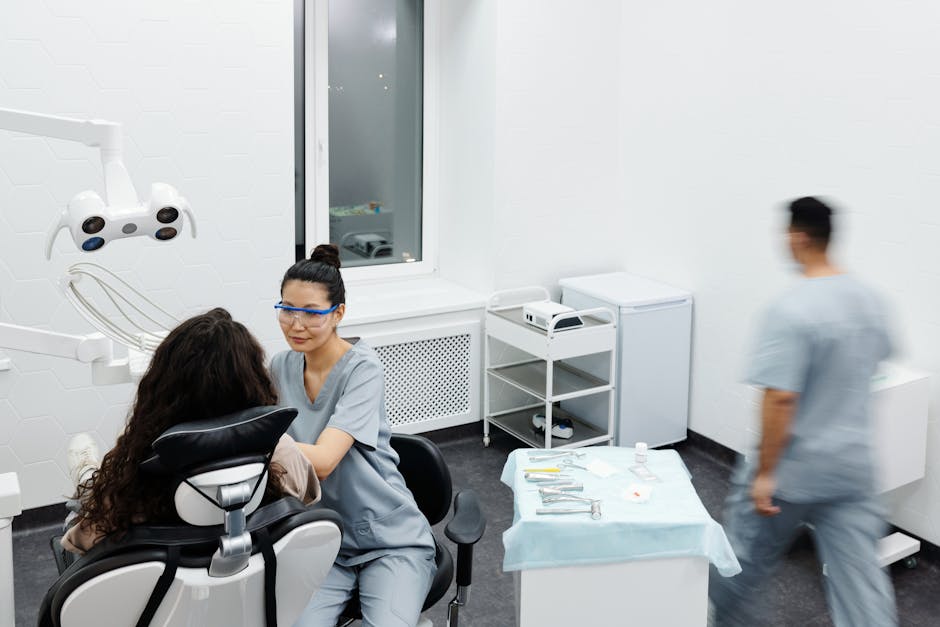
For Ottawa residents researching cosmetic procedures locally, the takeaway from surgeons quoted in this reporting is the same one they'd hear at a clinic anywhere: an AI-generated photo can be a useful starting point for a conversation about goals, but it shouldn't be treated as a blueprint. Anyone bringing a screenshot into a consultation should expect their surgeon to explain, not simply approve or reject, why an AI-smoothed face doesn't map directly onto their own anatomy, and to ask questions about what's actually achievable given their own bone structure and skin before booking anything.
Sources: American Society of Plastic Surgeons (ASPS), Yahoo Lifestyle