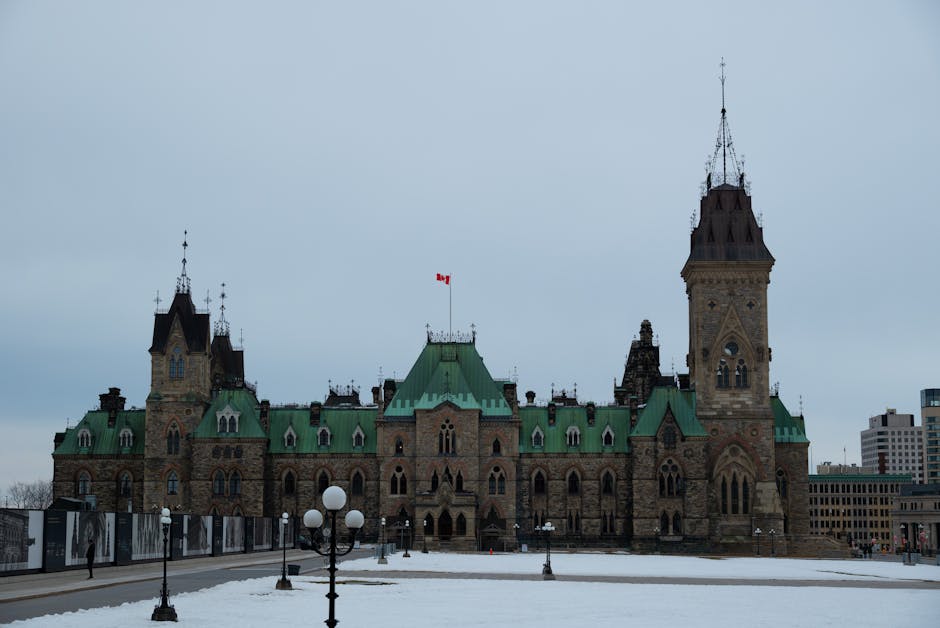
Ottawa residents and visitors can now follow a free, self-guided walking route through the downtown core that traces the city's direct connections to the history of residential schools in Canada. The Reconciling History Walking Tour was organized by the First Nations Child & Family Caring Society, and it's meant to be taken at your own pace, stopping at sites tied to decisions made in Ottawa that shaped generations of Indigenous lives.
The man who ran the department
One of the central figures the tour addresses is Duncan Campbell Scott, who joined the Department of Indian Affairs in 1879 and rose to become its Deputy Minister in 1913. From that post, Scott oversaw the development of policies aimed at suppressing and assimilating Indigenous peoples, a mandate that shaped how residential schools operated for decades. The walking tour situates Scott's career within the streets and buildings of downtown Ottawa, where those policies were written and administered.
A warning that was ignored
The tour also tells the story of Dr. Peter Henderson Bryce, a government inspector who visited residential schools and in 1907 issued the Report on the Indian Schools of Manitoba and the Northwest Territories. Bryce's report was sharply critical of health conditions inside the schools, and it drew a clear connection between poor sanitation and living conditions and the high number of child deaths. Despite that evidence, Scott refused to act on Bryce's recommendations to improve conditions and prevent further illness and death among students. The department shelved the findings rather than respond to them.
A second tour at Beechwood Cemetery
A related version of the Reconciling History tour runs at Beechwood Cemetery, led through partnerships between the First Nations Child & Family Caring Society and A7G, the Assembly of Seven Generations. Unlike the downtown route, this version is led by community voices rather than being purely self-guided. It shines a light on figures buried at Beechwood who played roles, for better or worse, in the history of residential schools, including both Scott, described as one of the architects of the system, and Bryce, who spoke out against its abuses. Each tour at Beechwood takes about an hour, with time built in along the way for questions and reflection.
What led here
The tours arrive at a moment when Ottawa has seen repeated reminders of unresolved harm tied to Indigenous child welfare and identity. ottown's earlier report looked at how Ottawa, as legal guardian of two Indigenous brothers moved to Burlington in 2017, was connected to a case where a Milton courtroom convicted their caregivers of murder and torture-related charges. Ottawa's cultural institutions have also been engaging with this history directly: the National Arts Centre opened its season with Beautiful Scars, a new musical exploring secrets and self-discovery tied to Indigenous experience.
For anyone looking to understand how decisions made inside Ottawa's government buildings reached into communities across the country, both the downtown route and the Beechwood tour offer a way to walk through that history directly, using the city's own streets and grounds as the text.
Sources: First Nations Child & Family Caring Society (official), Beechwood Cemetery (official)