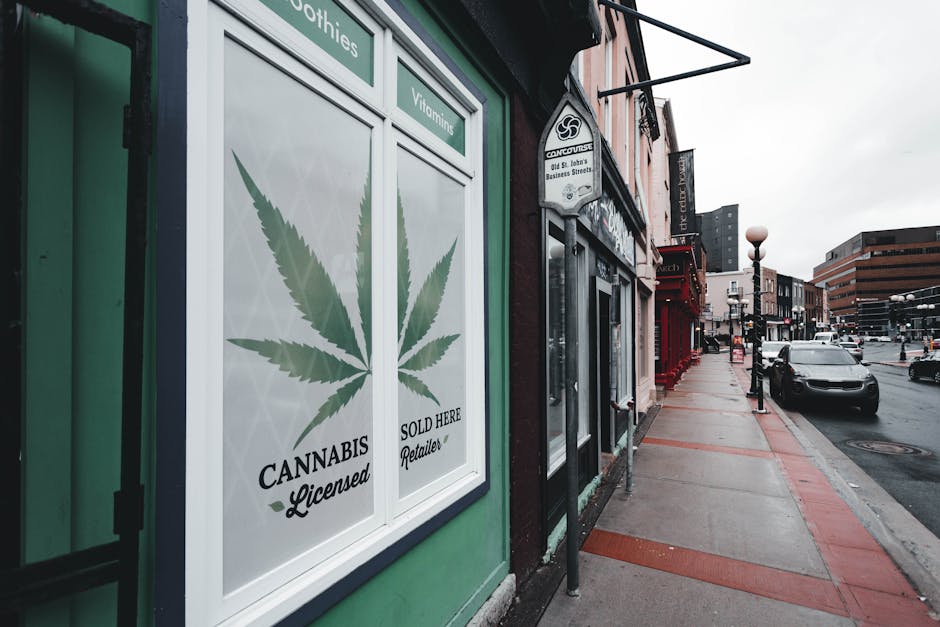
Ottawa's downtown core has spent the better part of five years fighting an image problem: rows of vacant storefronts, reduced foot traffic from hybrid work schedules, and a retail sector still finding its footing after COVID-19 emptied out office towers. But according to a new report highlighted by the Ottawa Business Journal, that narrative is shifting fast.
A Broker's Bullish Outlook
Commercial real estate brokers tracking downtown Ottawa's retail market say leasing activity is climbing steadily, and the sector is on pace to return to pre-pandemic numbers within the next year. That's a notable milestone for a downtown core that, like many North American city centres, struggled to lure retailers back after 2020 gutted lunchtime crowds and weekday office traffic.
The recovery is being driven by a mix of factors: office workers slowly returning to downtown desks more consistently, renewed interest from national retail chains eyeing Ottawa expansion, and landlords getting more flexible with lease terms to fill long-vacant units.
What It Means for Sparks Street and Beyond
For Ottawa residents, the ripple effects of this recovery are already visible in pockets of downtown. Streets like Sparks Street, Bank Street, and the Rideau Centre corridor have been ground zero for the retail vacancy crisis, with some storefronts sitting empty for years. As leasing demand picks up, expect to see more of those spaces filled, whether by returning national brands, new restaurant concepts, or local independent shops looking to capitalize on cheaper rents while they're still available.
This matters beyond just aesthetics. A healthier downtown retail sector means more foot traffic, more nightlife and weekend activity, and a stronger tax base for the City of Ottawa, all things that have been sorely missed since 2020. Business improvement associations downtown have been pushing hard for exactly this kind of turnaround, running events and marketing campaigns aimed at drawing Ottawans back to the core.
Why the Timeline Matters
Brokers pointing to a 2027 target for full recovery suggests this isn't an overnight fix. It's a gradual rebuild. Vacancy rates don't reverse in a single quarter, and retailers typically sign multi-year leases only when they're confident in sustained foot traffic. The fact that brokers are now willing to put a date on the recovery signals real confidence in Ottawa's downtown trajectory, not just cautious optimism.
For anyone who's walked past the shuttered storefronts on Sparks Street in recent years, the prospect of downtown Ottawa returning to its pre-pandemic retail vibrancy is welcome news. It won't happen overnight, but if brokers are right, Ottawans could be seeing a noticeably livelier downtown core within the next year or so.
Source: Ottawa Business Journal