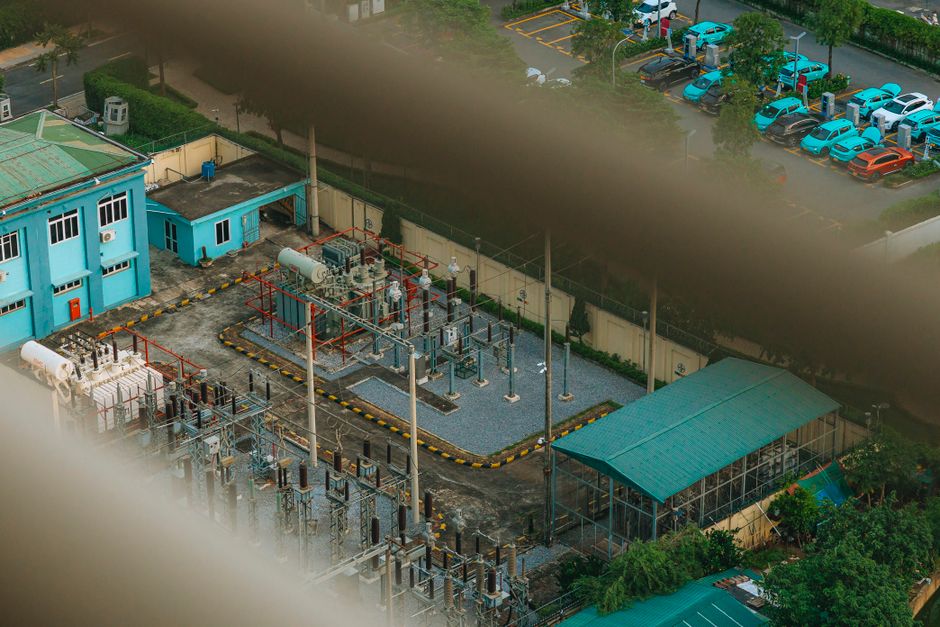
Ottawa residents who've been keeping an eye on the city's power grid can breathe a little easier. Hydro Ottawa's CEO says the wave of data centre developers clamoring for a spot on the local electricity network has finally leveled out, according to a new report from CTV News.
What Was Happening
Over the past couple of years, Ottawa, like many cities across Canada, saw a sharp uptick in interest from companies looking to build data centres in the region. These facilities, which power everything from cloud storage to AI computing, require enormous amounts of electricity to run and cool their servers. That surge in interest translated into a wave of requests to Hydro Ottawa, the city's local electricity distributor, from developers hoping to secure grid capacity for new builds.
For a utility responsible for keeping the lights on for hundreds of thousands of homes and businesses across the city, a sudden spike in large-scale demand requests can be a serious planning headache. Data centres aren't like adding a few new homes to a subdivision, a single facility can require as much power as a small town, and utilities need lead time to make sure the grid can handle it without compromising reliability for everyone else.
The Ottawa Angle
This matters directly to Ottawa residents and businesses because Hydro Ottawa is the utility serving the entire city, from Kanata and Barrhaven to Orleans and the downtown core. Every new large-scale power request from a data centre developer has to be weighed against the capacity needed for existing homes, businesses, and future growth across the city. If requests had kept piling up unchecked, it could have meant higher infrastructure costs, longer wait times for new connections, or upward pressure on rates as the utility scrambled to expand capacity.
Ottawa has increasingly become a name on the radar for data centre developers thanks to its relatively affordable land, proximity to major fibre routes, and access to power compared to more constrained markets like Toronto. That's put local utility planners in a position of having to balance economic development opportunities against the practical limits of the grid.
Why the Slowdown Matters
According to Hydro Ottawa's CEO, the pace of new data centre requests has now stabilized, suggesting the earlier rush may have been developers staking early claims on capacity rather than a sign of unlimited, ever-accelerating demand. A more predictable pace of requests gives the utility breathing room to plan infrastructure upgrades methodically, rather than reacting to a moving target.
For everyday Ottawa ratepayers, a stabilized request pipeline is generally good news. It reduces the risk of costly emergency grid upgrades being passed on through rates, and it means planners can be more confident about how much capacity is actually available for residential growth, electric vehicle charging, and other electrification needs across the city in the years ahead.
Hydro Ottawa has not indicated any specific new data centre projects are imminent, but the leveling off suggests the utility now has a clearer picture of demand as it maps out its long-term capacity plans for the National Capital Region.
Source: CTV News