Ottawa's coroner's office is set to open a public inquest Monday into the death of Raymond Alliman, a 31-year-old homicide suspect who was killed by an Ottawa Police Service (OPS) officer during a shootout in a ByWard Market parking garage back in June 2017.
What Happened
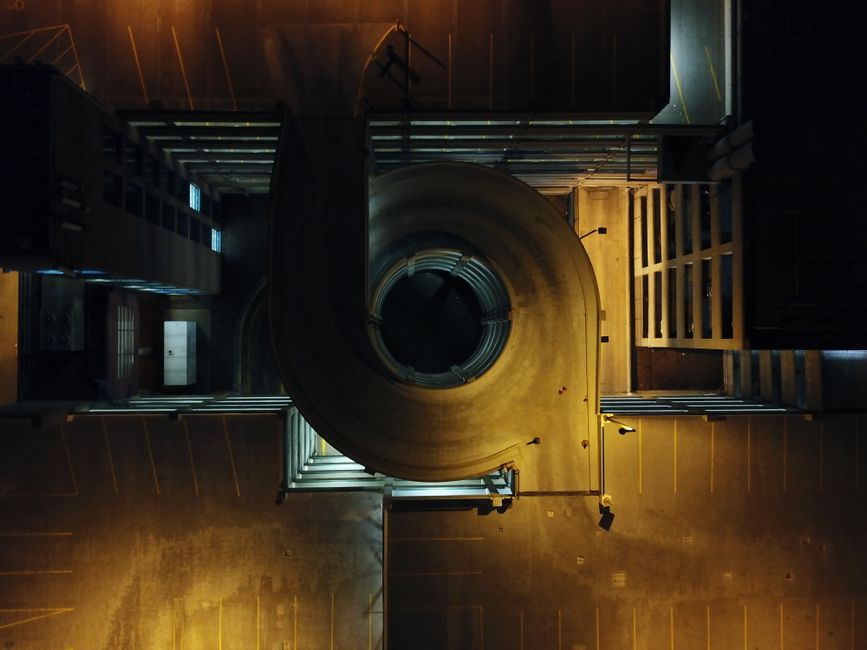
According to the source report, Alliman died on June 3, 2017, following an exchange of gunfire with an OPS officer inside a parking garage in the ByWard Market, one of Ottawa's busiest downtown districts, known for its restaurants, nightlife, and steady foot traffic. At the time, Alliman was wanted in connection with a homicide investigation, and the confrontation with police ended in his death at the scene.
Nearly a decade later, the case is finally headed to a coroner's inquest, a formal legal proceeding required under Ontario law whenever someone dies during an encounter with police. These inquests aren't about assigning blame in a criminal sense, that's a separate process, but rather about establishing the facts of what happened and determining whether any changes to policy, training, or procedure could help prevent similar deaths going forward.
Why an Inquest, and Why Now
For Ottawa residents, inquests into police-involved deaths carry real weight. The ByWard Market is a place tens of thousands of people pass through every week, whether they're heading out for dinner, catching a show, or just cutting through downtown. A fatal shooting in a public parking garage there, even one involving a homicide suspect, raises questions that go beyond the individual case: how do officers handle high-risk encounters in dense, high-traffic areas of the city, and what protocols are in place to protect both officers and bystanders?
The inquest process typically involves a jury hearing testimony from witnesses, investigators, and OPS personnel, followed by the release of formal recommendations. Those recommendations aren't legally binding, but they often shape how police services, including OPS, adjust their use-of-force policies, de-escalation training, and reporting procedures in the years that follow.
What to Expect
Inquests can run for days or even weeks depending on the complexity of the case and the number of witnesses called. Given that this incident occurred in 2017, the inquest will likely revisit years-old evidence, including OPS incident reports, forensic findings, and any available witness accounts from that day in the Market.
For Ottawa, cases like this are a reminder that public inquests remain one of the few mechanisms for transparency when someone dies during a police encounter. The outcome won't change what happened in 2017, but it could influence how OPS approaches similar situations in the ByWard Market and elsewhere across the city moving forward.
Ottawa residents interested in following the proceedings can expect updates as testimony gets underway this week.
Source: Ottawa Citizen