Ottawa is once again at the center of a debate over how, and where, the city should grow, and new provincial population projections are adding fuel to the fire.
What's Happening
According to a recent opinion piece from Ottawa Citizen columnist Randall Denley, the province has issued updated population projections for Ontario municipalities, including Ottawa, and those numbers are set to play a role in how city councillors approach planning decisions in the years ahead. Denley argues that the revised figures amount to a way of "juicing up" the population outlook, a move he suggests is designed to push councillors toward taking a closer look at expanding Ottawa's urban boundary rather than focusing growth within the city's existing footprint.
Why This Matters for Ottawa
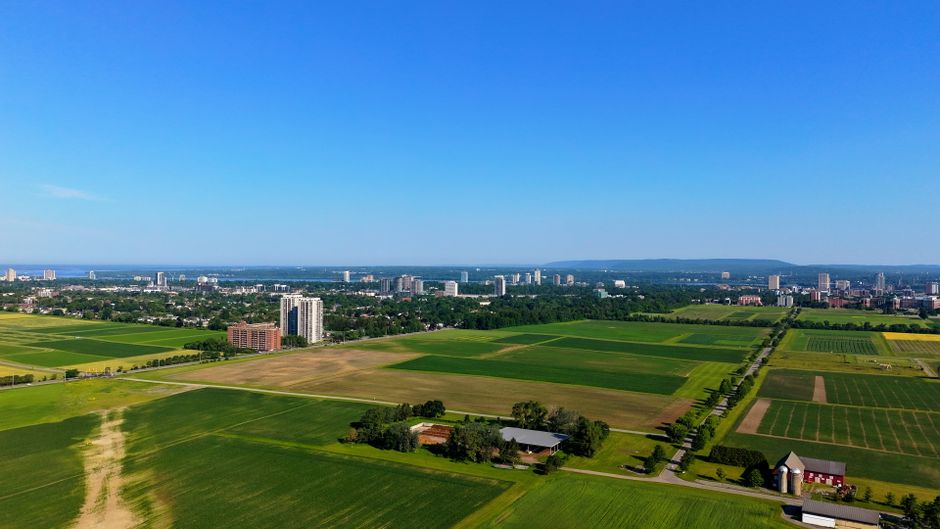
The urban boundary has long been one of the most contentious planning issues at Ottawa City Hall. Every few years, as the city updates its official plan, councillors face pressure from developers, community groups, and planning staff over whether to allow new subdivisions to spread further into farmland and greenspace on the city's edges, or whether to prioritize intensification, building more densely within neighbourhoods that already have roads, transit, and other infrastructure in place.
Population projections are a key input into that decision. If the province forecasts significantly higher population growth for Ottawa than previously expected, city planners and councillors can point to those numbers as justification for opening up more land for development. Critics of boundary expansion, however, often argue that population projections can be shaped or interpreted in ways that favour a particular outcome, which appears to be the core of Denley's critique.
The Bigger Picture
Ottawa has grown rapidly over the past decade, with new communities springing up in areas like Barrhaven, Kanata, and Riverside South, while infill development has reshaped older neighbourhoods closer to downtown. Balancing that growth against concerns about sprawl, farmland loss, and the cost of extending city services to new areas has been an ongoing challenge for council.
How the city responds to the latest population projections could influence major decisions on transit planning, infrastructure spending, and the next round of official plan updates. Residents who care about how Ottawa grows, whether that means more suburban development on the outskirts or more housing density in established neighbourhoods, will want to keep an eye on how councillors respond to this data in upcoming planning discussions.
For now, the debate underscores a familiar tension in Ottawa politics: how much weight to give population forecasts versus other planning priorities when deciding the future shape of the city.
Source: Ottawa Citizen (Randall Denley, opinion)