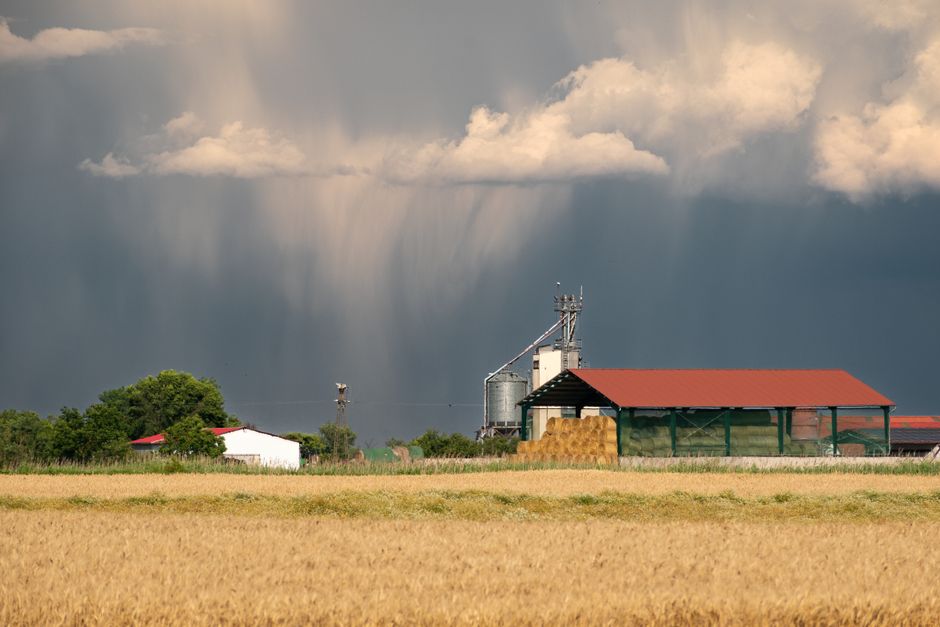
Ottawa is no stranger to unpredictable weather, but the record rainfall that recently swept through the region has left area farmers with a complicated set of feelings, according to a new report from CTV News.
A Wet Stretch With Two Sides
For farms ringing the capital, rain is usually something to hope for, especially during dry spells when crops need every drop they can get. But when the rainfall arrives in record-breaking amounts, as it reportedly has this time, the benefits can quickly tip into problems. Saturated soil makes it harder for machinery to get into fields, standing water can drown out young plants, and the timing of harvests can be thrown off entirely.
That's the "mixed blessing" CTV News points to in its coverage: the same rain that tops up soil moisture and helps certain crops thrive can also threaten to waterlog fields, delay planting or harvesting schedules, and increase the risk of crop disease and mold in overly damp conditions.
Why It Matters for the Ottawa Region
The farms surrounding Ottawa are a quieter but essential part of the region's economy and food supply, feeding into local farmers' markets, grocery stores, and restaurants across the city. When weather swings hard in one direction, whether it's drought or, in this case, a soaking, it doesn't just affect the farmers themselves. It can ripple out to the price and availability of local produce that ends up on Ottawa dinner tables.
Ottawa's climate has always required farmers to adapt to swings between dry summers and heavy rain events, but a record-setting amount of rainfall pushes that adaptability to its limits. Farmers in the National Capital Region rely on a delicate balance of sun and rain to bring crops to harvest on schedule, and an unusually wet period can throw that balance off in ways that are felt well beyond the farm gate.
What Comes Next
As with most weather-driven agricultural stories, the full impact of this rain event on Ottawa-area farms likely won't be clear until harvest time, when yields and crop quality can be properly assessed. In the meantime, farmers in the region are left managing the day-to-day reality of wet fields and shifting plans, while also recognizing that the extra moisture isn't entirely bad news for a growing season that, in other years, might have been fighting drought instead.
For now, the story is a reminder of just how directly Ottawa's rural surroundings, and the food they produce, are shaped by the same weather patterns that roll through the city itself.
Source: CTV News