The poll found that a majority of Ottawa residents cite transit as the top priority for improvement. The headline finding is the same one the pollster used for its report, which framed transit as dominating the city's agenda heading into the municipal election.
What residents asked for
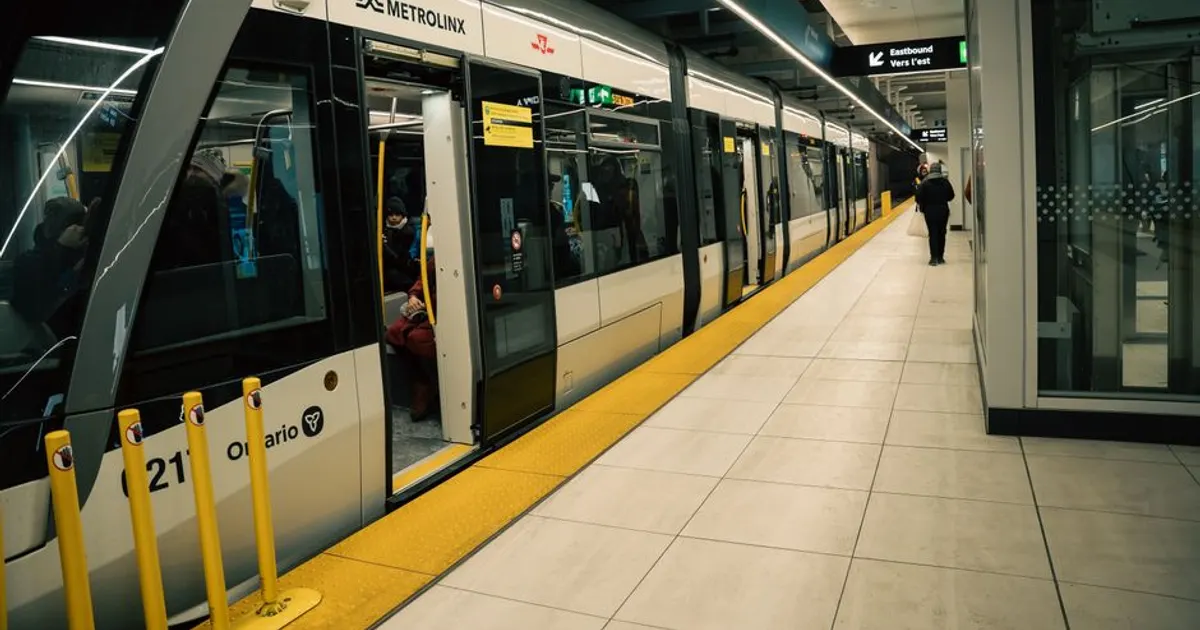
Respondents were not only asked what needs work, but also what would help. The top solutions they named include better LRT service and more reliable buses. In other words, the two things people point to are the O-Train and the bus network, not a single project or route.
The summary of the poll available to us does not give a percentage for the share of residents who named transit, and it does not break the answers down by neighbourhood or age group. We will update this story if those figures are published.
How the poll was done
CTV News Ottawa/Nanos conducted a random digit dialling (RDD) dual frame hybrid random telephone and online survey. Dual frame means both cell phones and landlines were called, so the sample is not limited to people who still have a home phone.
The survey covered 762 residents of Ottawa aged 18 and over. Interviews ran from October 4 to October 8, 2026.
For a sample of that size, Nanos says the survey is accurate to plus or minus 3.6 percentage points, 19 times out of 20. That is the standard way of saying that if the same poll were run 20 times, the results would land within that range in 19 of them. Differences between answers that fall inside that range should be read with caution.
What it means for readers
A poll is a snapshot of opinion, not a plan. It does not say how transit would be improved or what it would cost, and it does not say which candidates have proposals that match what residents asked for. What it does show is where Ottawa residents who answered the phone or went online during the first week of October put transit on their list.
For anyone weighing how to vote in the municipal election, the two named fixes, LRT service and bus reliability, give a concrete test to bring to candidates: what, specifically, would they do about each one?
Sources: Nanos Research, CTV News Ottawa